
The relentlessly rising demand for computing power, especially for HPC and AI, is driving rapid growth in both the number and scale of supercomputers. This expansion comes with a sharp increase in energy consumption (for example, to approximately 17 MW for the Exascale system JUPITER at JSC), posing significant sustainability challenges for HPC centres.

As an representative example German HPC centres have collaborated to identify the innovations required to meet sustainability and energy-efficiency goals, shaped by high energy costs, national policies, and environmental commitments. Their work highlights a range of measures that can guide HPC toward a more energy-efficient future. (https://doi.org/10.3389/fhpcp.2025.1520207)

Involved in the review report are: Deutsches Klimarechenzentrum (DKRZ), Friedrich-Alexander-Universität Erlangen-Nürnberg (FAU), High-Performance Computing Centre Stuttgart (HLRS), Jülich Supercomputing Centre (JSC), Karlsruhe Institute of Technology (KIT), Leibniz Supercomputing Centre (LRZ), Max Planck Computing and Data Facility (MPCDF) and Technische Universität Dresden (TUD).

All German HPC sites mentioned above together host a total of about 20 machines ranking places 4 (JUPITER Booster at JSC) to 493 (AlphaCentauri at TUD) in the Top 500 list (status November 2025), and 2 out of the 10 most energy-efficient systems in the Green 500 list (status November 2025).
Energy-Efficient HPC – REQUIREMENTS

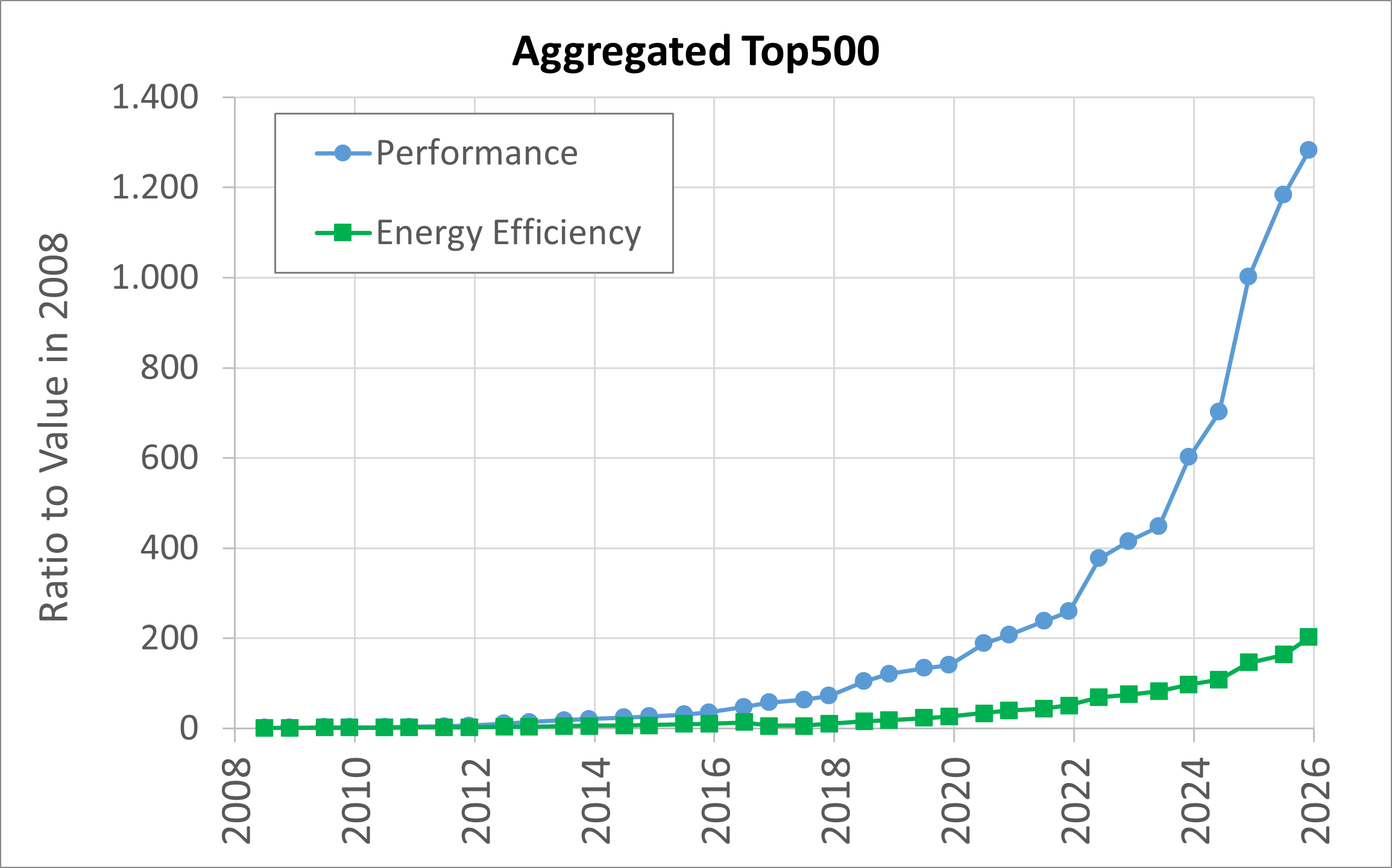
The relentlessly growing need for compute power is surpassing gains in energy efficiency achieved at the system and applications level, placing sustainability at the forefront of concern. Public awareness of environmental impact adds further urgency. High electricity costs reinforce the need for more efficient systems and operation.

At the same time, national and EU regulations are accelerating efforts to improve energy performance and sustainability.

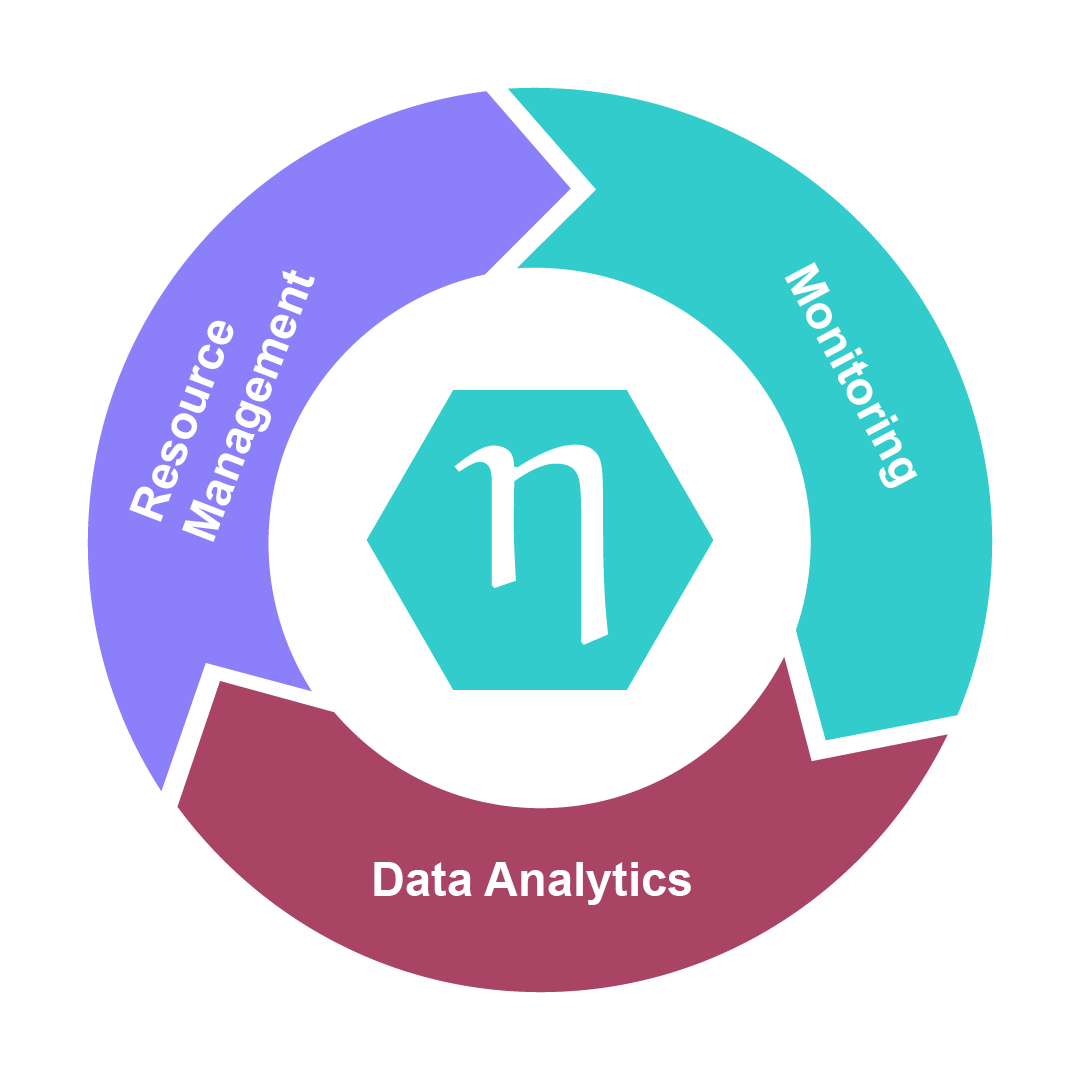
Designing and operating HPC or AI facilities effectively requires embedding energy-efficiency measures at every level – from advanced cooling solutions and energy reuse to robust monitoring systems, performance-aware programming, energy-oriented scheduling and resource management, and optimized hardware architectures. Addressing the first three challenges is the core focus of the SEANERGYS project.

The project tackles the issue of energy consumption at European HPC/AI centers and develops a production-quality software suite for energy-efficient operation of HPC and AI supercomputers by:

• Creating a holistic monitoring infrastructure and common data repository for operational data

The Comprehensive Monitoring Infrastructure (CMI) collects data from a wide range of hardware and software sensors, integrates scheduler information to allow analysis of job efficiency, and makes this data available via a common data plane to the other parts of the SEANERGYS SW suite. It also implements a repository of historical monitoring data, and methods to process such data to enable on-request sharing with other researchers (by anonymizing privacy-related data and eliminating confidential information).


• Developing an advanced AI-based data analytics framework for HPC and AI operational data.

The Artificial Intelligence Data Analytics System (AIDAS) uses ML and AI models trained on extensive operational data from the participating HPC sites, detects and fingerprints resource usage patterns, predicts future application and system behavior based on historical trends, and identifies opportunities for improving execution schedules and system operating points (for instance for co-scheduling) AIDAS also identifies jobs that under-utilize allocated resources, provides users with automatic feedback per job run, and offers actionable advice to end-users and system operators to optimize energy and resource usage.


• Implementing a dynamic resource management system to optimise energy efficiency and throughput/response times in heterogeneous HPC/AI systems and to adapt to dynamic workloads.

The Dynamic Scheduling and Resource Management system (DSRM) uses insights from monitoring and AI analysis, develops scheduling policies to improve resource utilization, co-optimize energy efficiency and throughput/response times across HPC and AI workloads, and supports jobs and applications with dynamic, adaptable resource profiles.


The design , development and testing of the SEANERGYS SW suite takes place on representative HPC/AI systems, and the SEANERGYS project will validate the software suite in real operational environments and make it available under permissive licenses.